 Keys
Keys1987
Est.
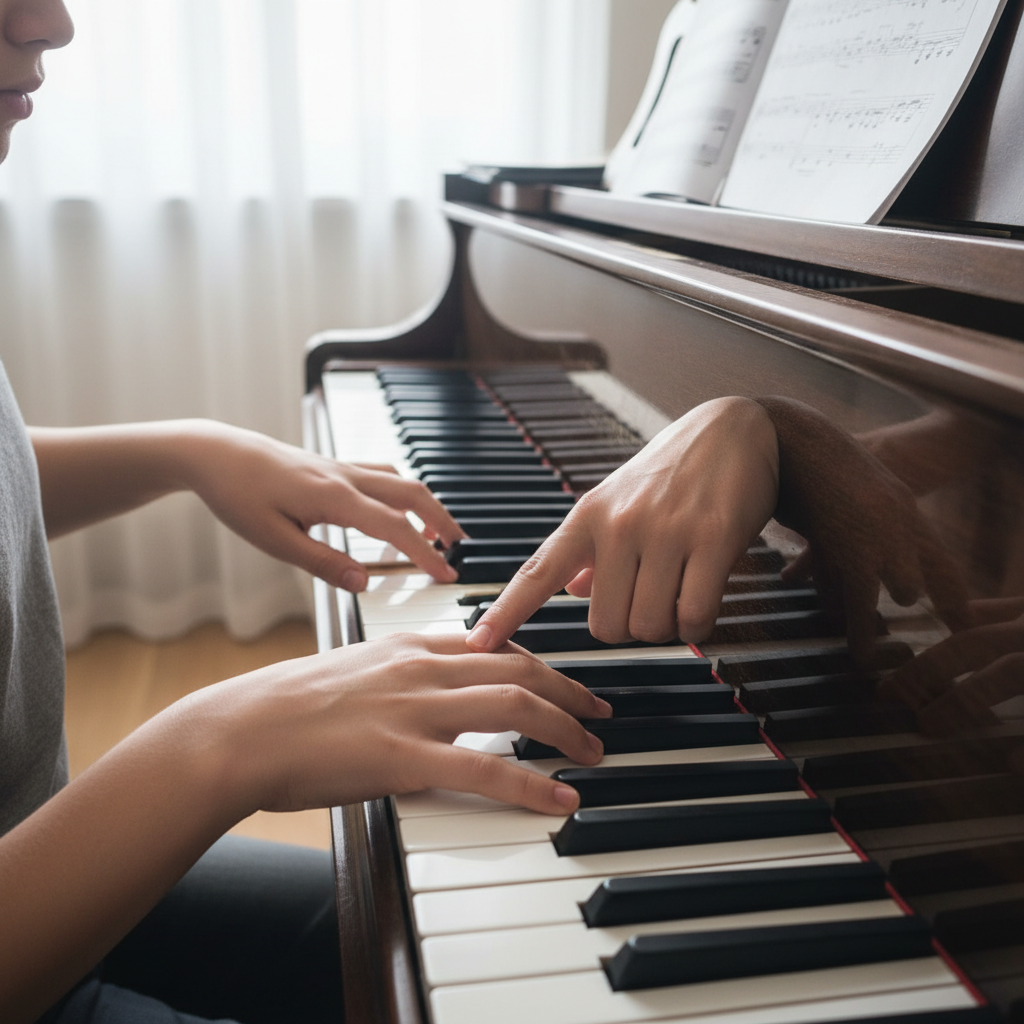
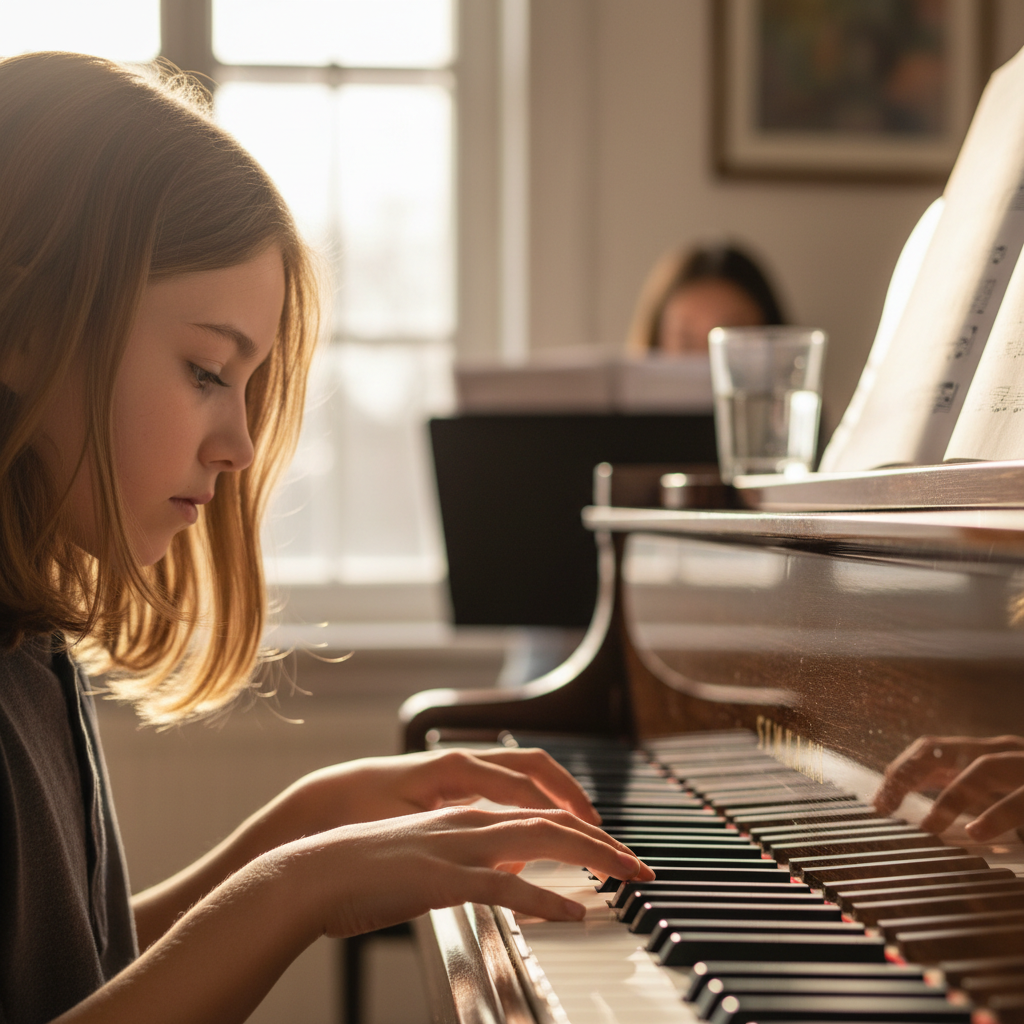
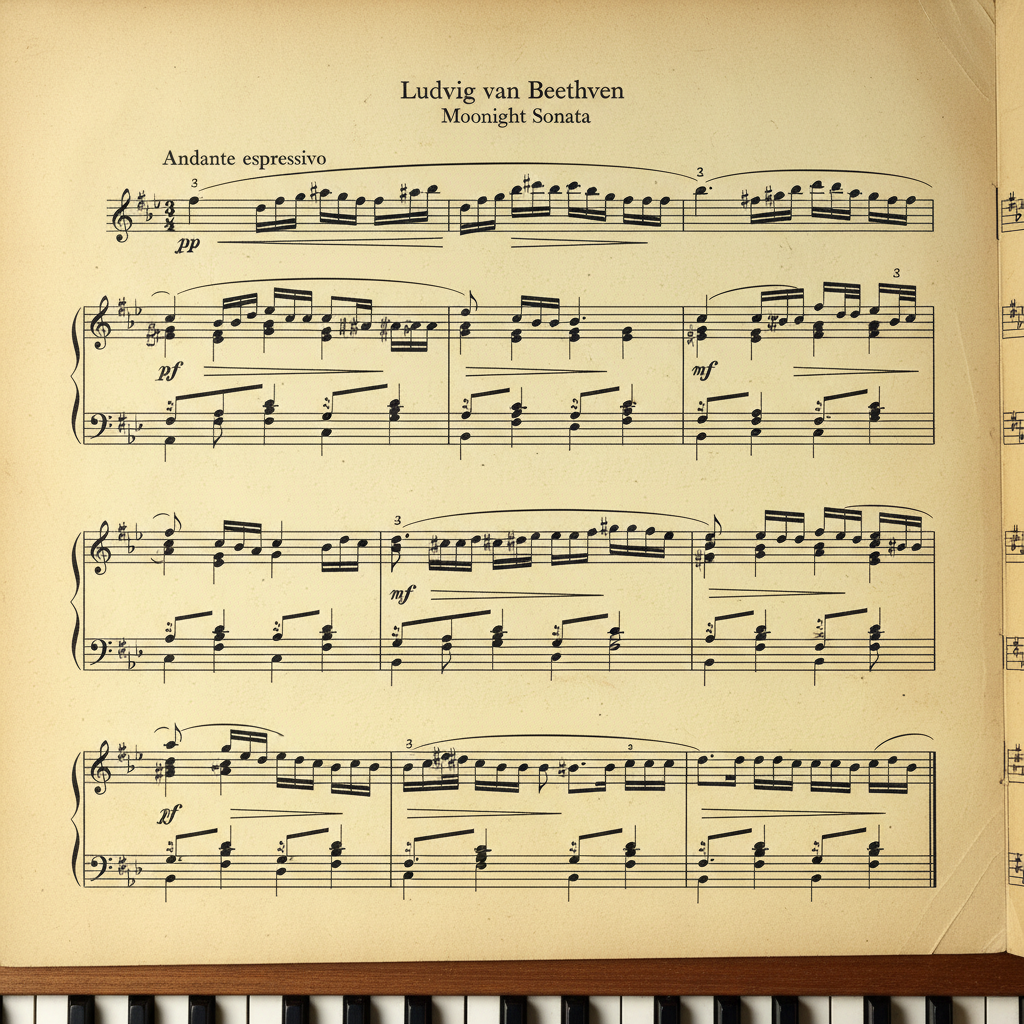
You're closer
than you think.
Thirty-seven years of students who arrived unable to read a treble clef — and left performing Chopin from memory.
Scroll
Most people who want to play piano never start. Not because they lack talent — because no one told them where to begin.
You hear music in your head — but your hands don't know what to do.
You sit down at the keyboard. You know the melody. You can almost feel the notes. And then your fingers just… don't. That gap between what you hear and what you can play is real, and it's not a talent problem.
YouTube tutorials leave you with 47 open tabs and no roadmap.
You've watched the beginner videos. You've tried the apps. Every lesson teaches something, but nothing connects. Without a teacher who knows where you're going, you're navigating a map with no destination marked.
"I'm probably too old to start now."
You've thought it. Most adults do. The truth: adult beginners learn faster than children because they understand context, they practice with intention, and they actually want to be in the room. Age is not the variable. Method is.
"Here's what changes with the right teacher."
A staircase,
not a maze.
Every lesson connects to the last and points to the next. You always know where you are and what unlocks when you get there.
Hands that listen
Posture, touch, and the relationship between your ear and your fingers. You learn to hear what you're playing before you play it.
Reading the room
Notation becomes a language, not a code. Rhythm lives in your body. You stop counting out loud.
The repertoire builds
A real piece. Something you'd want to play for someone. The gap between hearing and playing narrows to almost nothing.
Your voice emerges
Style. Interpretation. The ability to make a piece yours rather than just correct. This is when students fall in love with the instrument.
37yrs
Teaching students
94%
Complete year one
12wks
First complete piece
3:1
Student-teacher ratio
Not résumés.
Turning points.
Every teacher at Keys has a moment that changed how they play and how they teach. Here are three of them.
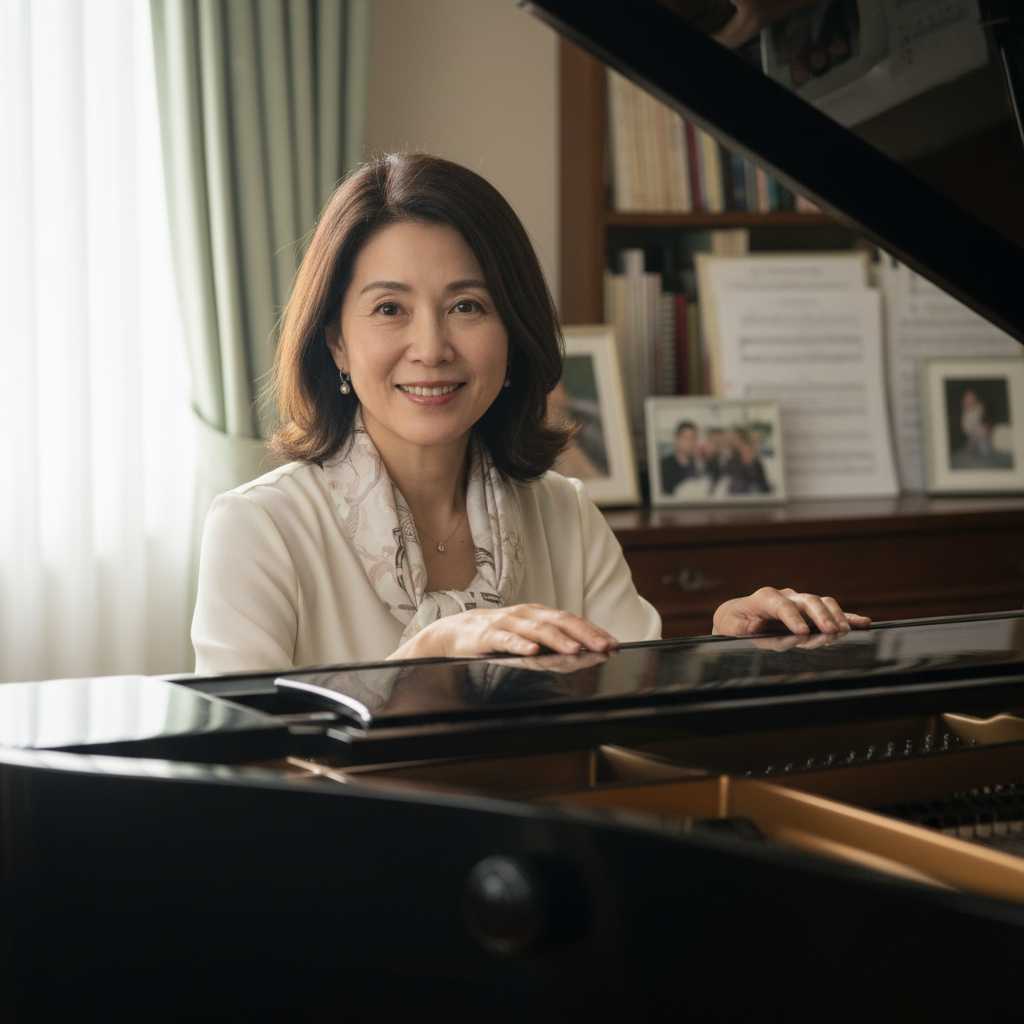
Juilliard Pre-College, M.M. Eastman
22 years teaching
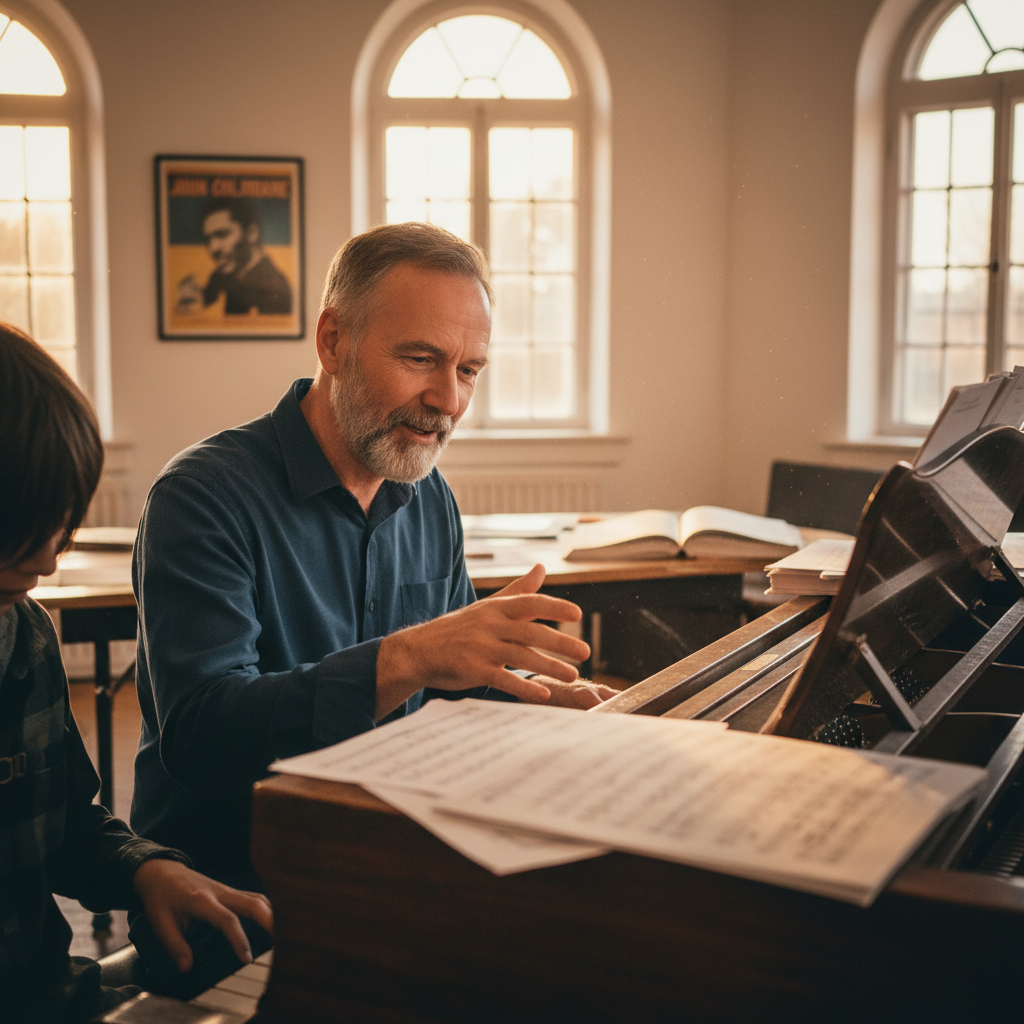
Margaret Osei-Bonsu
At seventeen, Margaret performed Ravel's Gaspard de la Nuit at her conservatory recital — and played the wrong tempo in the final movement. Her teacher met her backstage and said: "Now you know what it feels like to survive." She has been teaching that lesson ever since.
Specializes in adults returning after 20+ years away.
Berklee College of Music, B.M. Performance
14 years teaching
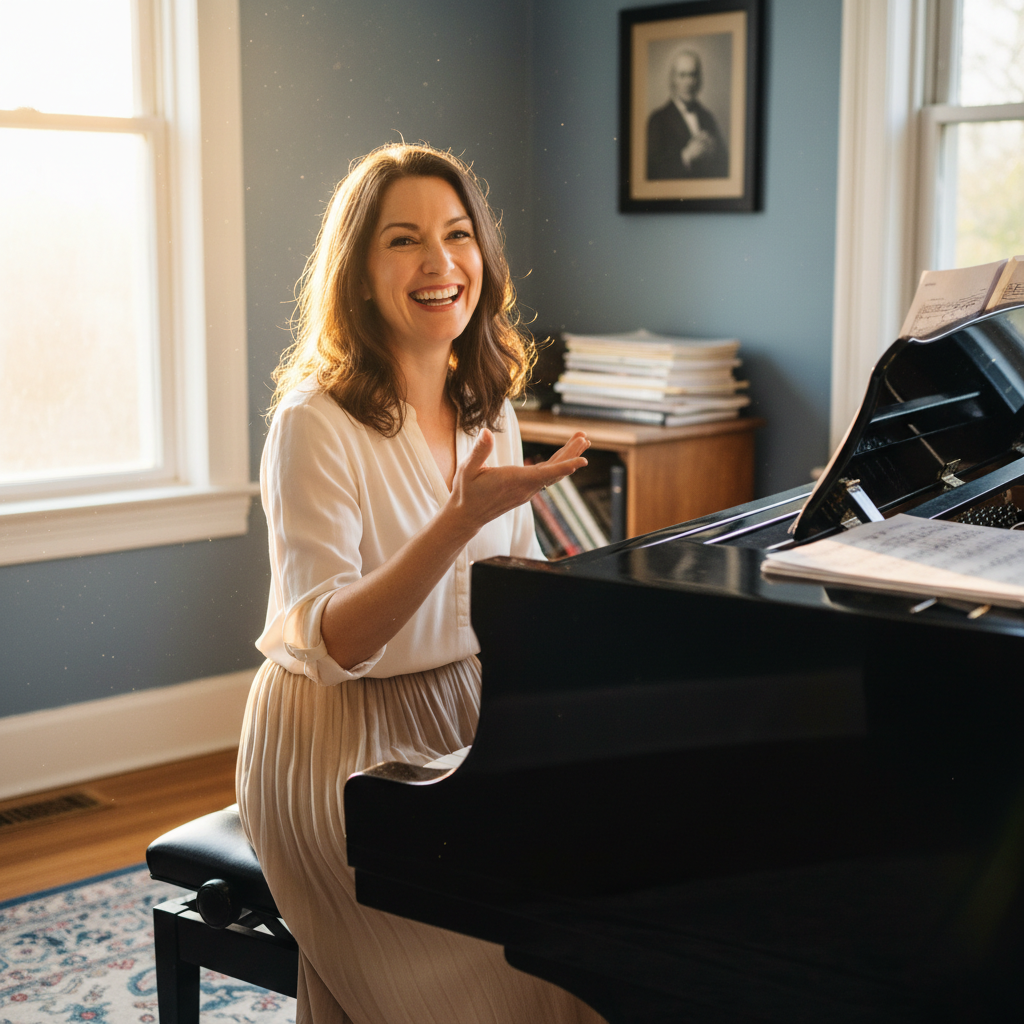
Daniel Park
Daniel quit classical lessons at twelve and spent three years playing video game soundtracks by ear. His mother finally found a jazz teacher who told him: "That thing you do — playing by ear — that's not a bad habit. That's your instrument." He hasn't stopped since.
Specializes in beginners and teens who want to play by ear.
Curtis Institute, B.M.; Yale School of Music, M.M.
9 years teaching
Priya Venkataraman
Priya was rejected from her first conservatory application at sixteen. She spent a year studying why — practicing scales she hated, analyzing scores she didn't understand — and got in on her second try. She now teaches that year as a curriculum.
Specializes in conservatory audition preparation.
Month one
versus month six.
"I quit lessons at thirteen and spent twenty-two years telling myself I'd missed my window. In six months here I played a Debussy prelude at the winter recital. I cried. My teacher just smiled like she'd known all along."
Before
Hadn't touched a piano in 22 years
After 6 months
Debussy Clair de Lune, month 6
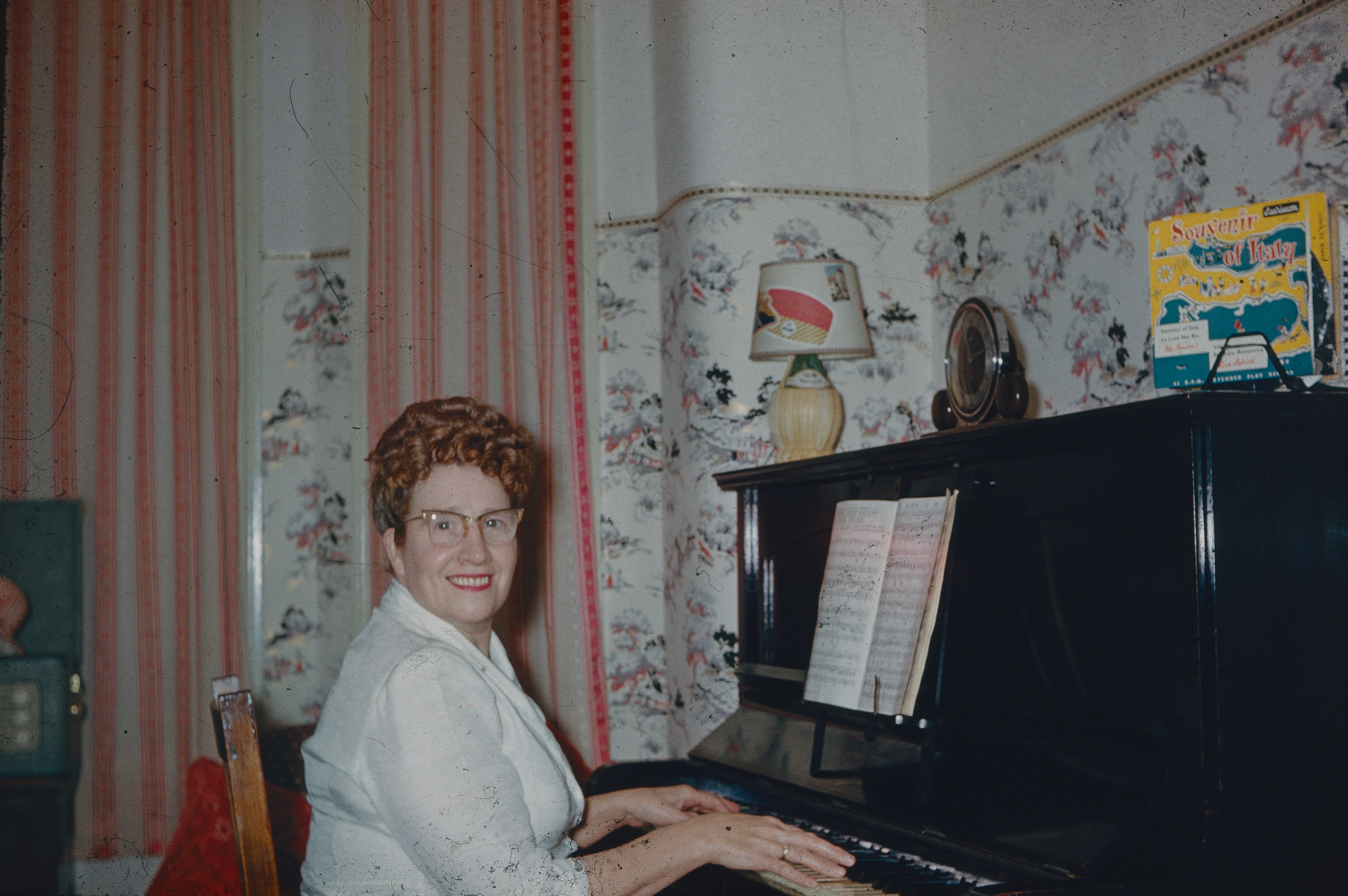
Rebecca Hartmann
Adult returner, started age 35
"My daughter used to dread her old lessons. Now she asks to practice. That's the whole thing. That's the review."
Before
Dreaded lessons, practiced reluctantly
After 6 months
Asks to practice, plays for guests
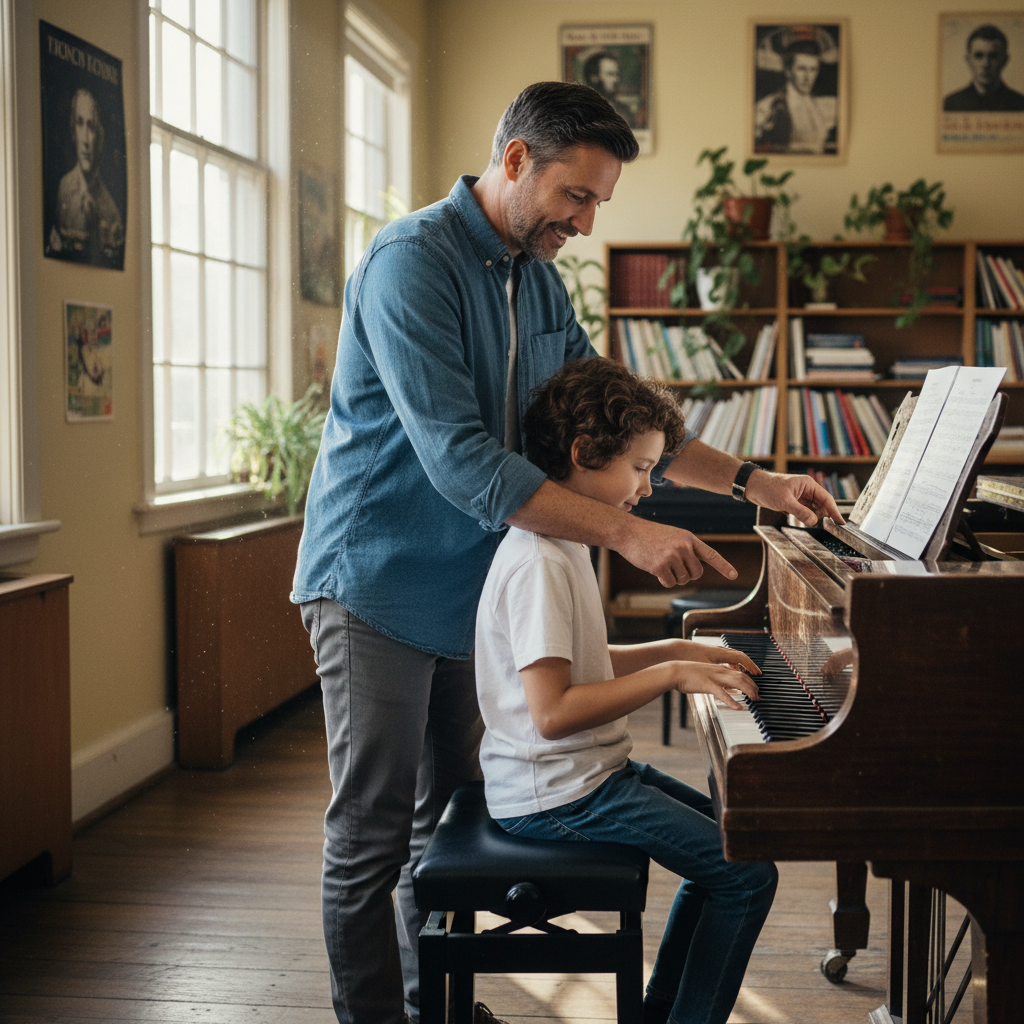
James & Amara Okafor
Parents of Zoe, age 8
"Priya figured out in the first lesson what I was doing wrong in my audition recordings. Not just technically — she understood what the committee was listening for. I got into three programs."
Before
Rejected first application cycle
After 6 months
Accepted to 3 conservatory programs

Kieran Mahoney
Conservatory applicant, age 17
37 years of recital photographs line the hallway at 114 Marlowe Street. Every face in every frame arrived where you are right now.
Find your
starting point.
Five questions. Two minutes. A personalized teacher match and lesson plan — yours before you commit to anything.
Ready to find where you begin?
Answer five honest questions and we'll match you with the right teacher, the right starting point, and a lesson plan built for exactly where you are.
No email required to see your results